


Unbound Trajectories
Together with commissioners and partners, Unbound Trajectories focuses on strategic, organisational, spatial and communicative questions in contexts marked by social, cultural, political, ecological, technological and economic change. Using design as a methodological and multi-perspective lens, it investigates these dynamics, makes visible the interdependencies that shape them and identifies options for deliberate development.
Drawing on research, foresight and design intelligence, and on speculative, ethnographic and participatory methods, it supports public and private organisations in understanding where they stand and weighing opportunities against risks, as the basis for informed choices and clear directions for action.
Unbound Trajectories connects organisational identity and lived values with public presence and wider institutional, social and cultural systems. Through design, it translates this understanding into coherent responses and coordinates the processes and collaborations to make them them credible and viable.

Working across complexity
Service overview
Unbound Trajectories brings together inquiry, strategy, design and learning in commissioned and self-initiated projects. For each question, it assembles a transdisciplinary team from its network, combining contextual understanding with the required expertise. Across these four tracks, it establishes direction, develops options, shapes concrete responses in systems, services and communication, and builds organisational capacity. Guided by ethical principles and professional standards, it develops situated advisory and design projects, formats and programmes.
Inquiry
Inquiry
Developing grounded insight
and expansive thinking
Developing grounded insight
and expansive thinking

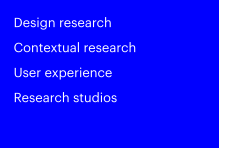


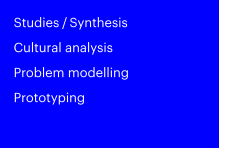
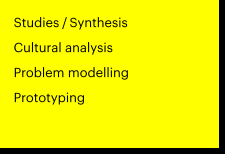



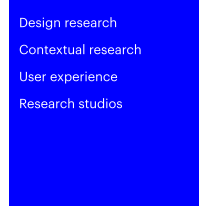

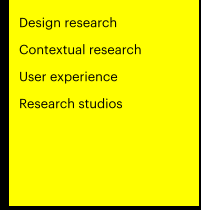
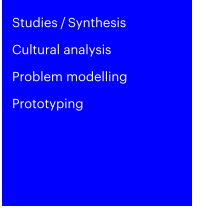
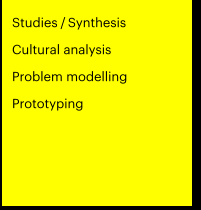

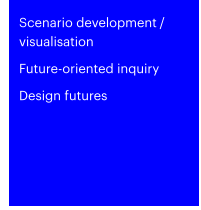

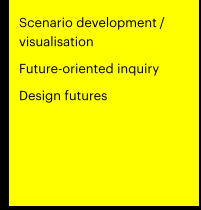
From a design perspective, Unbound Trajectories investigates the forces, relationships and assumptions that shape existing contexts and conditions. It separates what matters from what merely persists, recognises emerging developments and reveals the dynamics beneath them. Combining investigative and scientific rigour with critical reflection and openness to unexpected discoveries, its design-informed approach produces insights that clarify entangled situations and bring overlooked openings into view. This understanding opens new territories for thought and action and prepares the ground for design-led development.
Strategy
Strategy
Establishing strategic direction
and navigating consequential decisions
Establishing strategic direction
and navigating consequential decisions

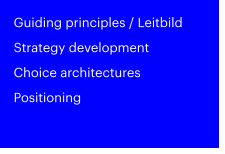
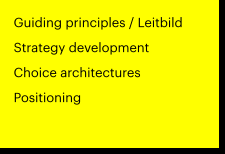

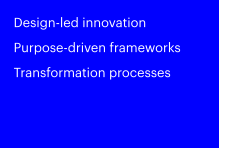




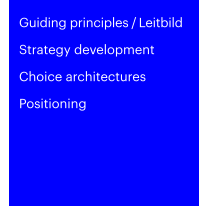
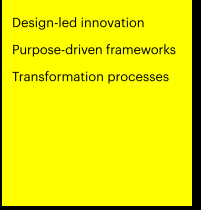

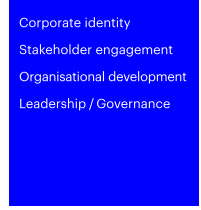
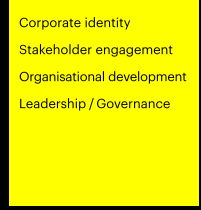


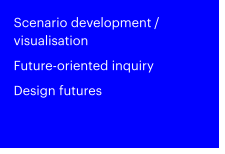
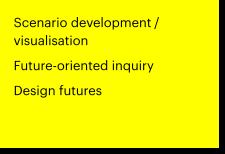
Amid uncertainty and changing societal conditions, strategic clarity provides orientation. Unbound Trajectories works with organisations to understand their context, confront competing priorities and make informed choices about positioning, innovation and development. It approaches strategic deliberation as a social, non-linear and generative process that connects organisational identity and shared values with long-term ambitions, and shapes transformation through foresight.
Design
Design
Materialising ideas across forms, scales
and systems
Materialising ideas across forms, scales
and systems
Materialising ideas across forms,
scales and systems
Materialising ideas across forms,
scales and systems

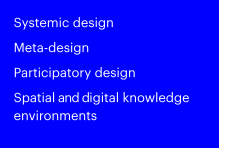
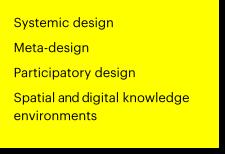

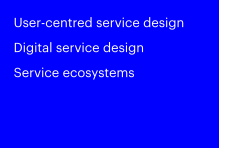
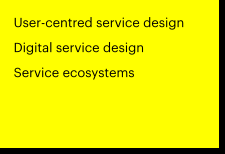

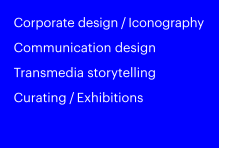


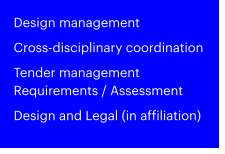
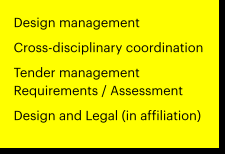
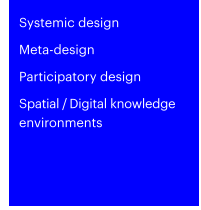
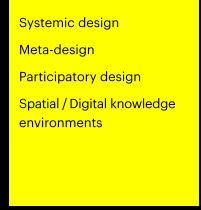
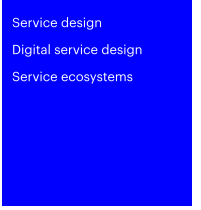
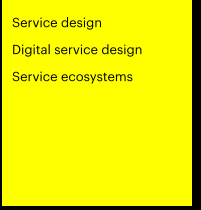

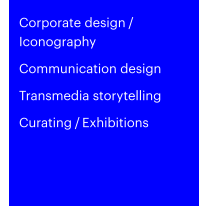

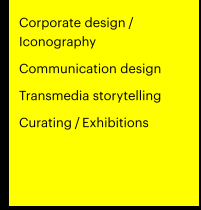
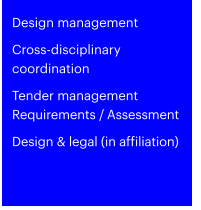
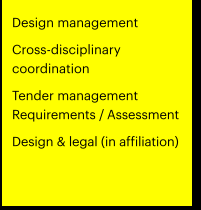
Design as a knowledge culture is concerned with understanding and shaping conditions for people, societies and planetary life. Unbound Trajectories brings together contextual understanding, design intelligence and speculative design to conceive alternatives and to evaluate what is desirable, responsible and relevant. Working across disciplines, in different systems, and at different scales, it gives them form as instruments for identity, representation and communication, services and environments, with an aesthetic and ethical sensibility attentive to cultural, ecological and economic realities. Design understood as cultural catalyst, can create new conditions for identification, experience and shared action.
Learning
Learning
Cultivating collective intelligence
and the capacity for change
Cultivating collective intelligence
and the capacity for change

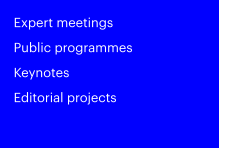




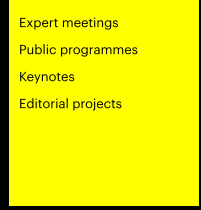
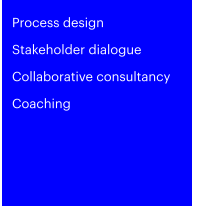
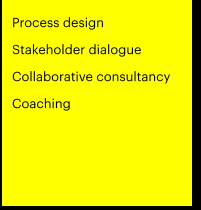
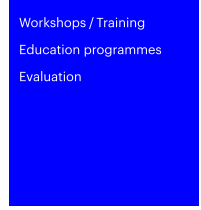
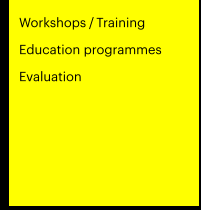
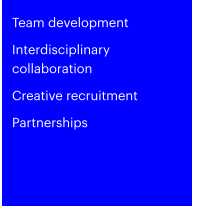
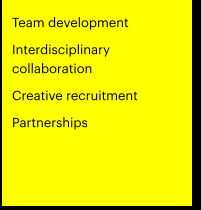
Unbound Trajectories treats design practice as closely intertwined with knowledge development. It brings conceptual understanding into dialogue with experience and experimentation, and creates conditions for reflection in which collective intelligence can unfold. In this work, learning is integral to development: it consolidates knowledge, expands agency and strengthens the capacity of people and organisations to anticipate, navigate and shape change
